Where it goes
The altar usually sits on the floor of the shop or living room, against a wall and facing the main door to welcome customers and wealth. Thần Tài and Thổ Địa are usually worshipped together.
For entertainment only. No prediction of wealth or game results.
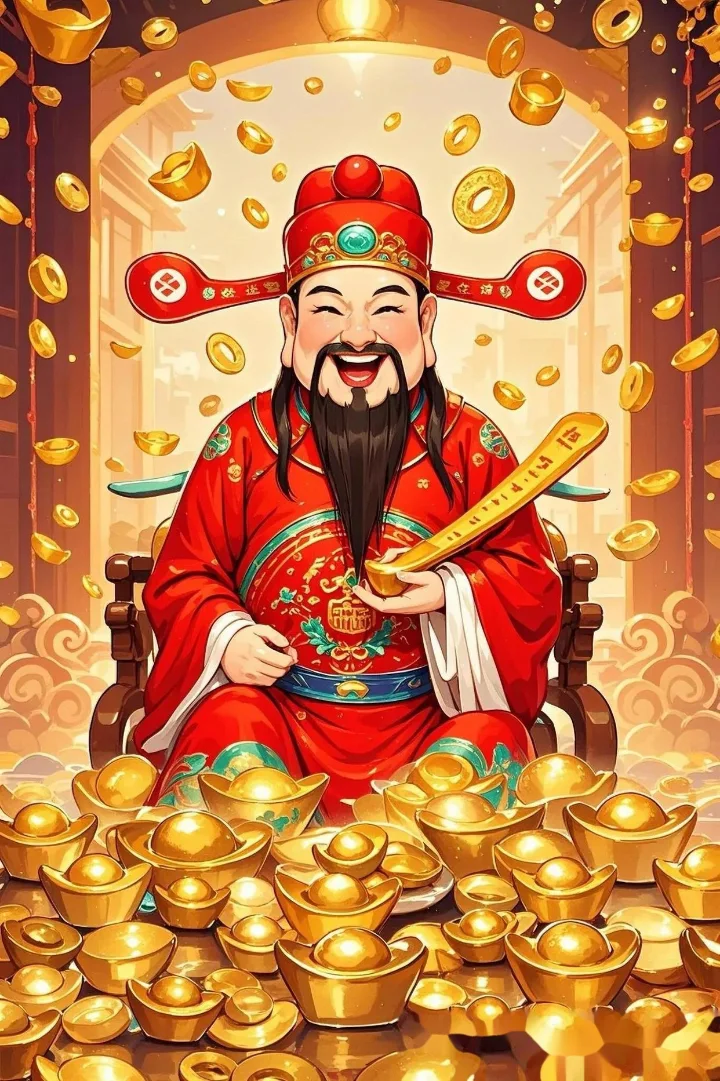
In Vietnam, almost every shop keeps an altar to Thần Tài and Thổ Địa by the door, and the first thing the owner does each morning is light incense and change a cup of water. This is a small online altar: pick a wish, hold “Bow” and bow three times to give your day a good start.
The altar usually sits on the floor of the shop or living room, against a wall and facing the main door to welcome customers and wealth. Thần Tài and Thổ Địa are usually worshipped together.
Light incense when opening in the morning and change the cup of water; wipe the altar when you have time to keep it clean.
On the 1st and 15th of each lunar month people add more offerings, usually flowers and fruit, and some families add snacks and drinks.
Customs vary by region; this describes common practice.
Vietnamese people treat the 10th day of the first lunar month as the day of Thần Tài (Vía Thần Tài). Many buy a little gold for luck, and shops prepare special offerings, hoping for a prosperous year.
No. This is just a small online ritual to set the mood before you play; real offerings should follow your family’s and local customs.
Bowing three times is common in Vietnam and much of East Asia as a sign of sincerity and respect. We keep that habit as a small ritual before playing.
The 10th day of the first lunar month every year; the solar date changes from year to year.
No. It is just for fun, does not represent real fortune and never changes the odds of any game.